Posts Tagged ‘Lotus’

Evora Cup GT4 North American Premiere

Wednesday, August 11th, 2010

Evora GT4 Cup
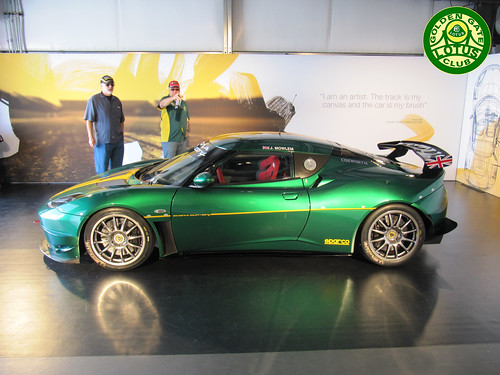
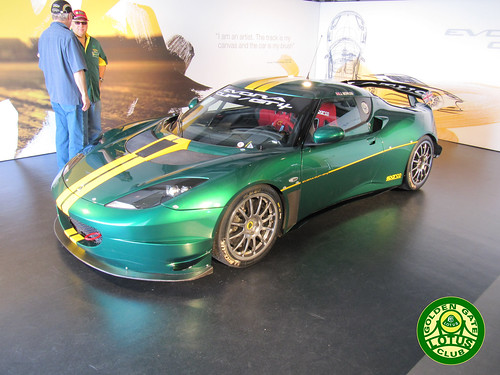
While the Lotus Exos was deservedly getting all the press after the Monterey Motorsports Pre-Reunion, Lotus also held the North American Premiere of the Evora GT4 Cup car at the same time.

Evora GT4 Cup
Developed from the highly acclaimed Lotus Evora sports car, the Lotus Evora Cup GT4 race car has been engineered to give drivers a competitive racing package straight “out of the box”. The car has been developed in conjunction with a number of prestigious technical partners and features a world class chassis, steering and brakes delivering exceptional ride and handling.

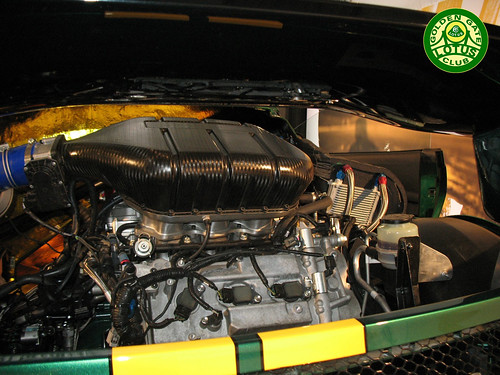
Evora GT4 Cup engine bay
Photo © Jack Fried

The Cosworth tuned engine is bored out to a 4 litre capacity and produces 360 bhp (Vs 3.5L and 280 bhp in the road car). Further upgrades include a six speed sequential paddle shift racing gearbox, full FIA specification roll cage, FIA-compliant 96 litre fuel system, FIA fire extinguisher system and kill switch. Unladen weight has also been reduced by over 200kg to just 1190kg.

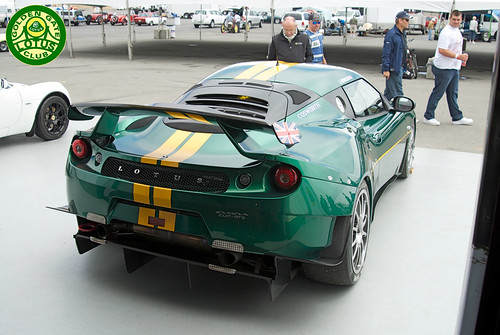
Evora GT4 Cup Rear Wing
Photo © Andy Kern

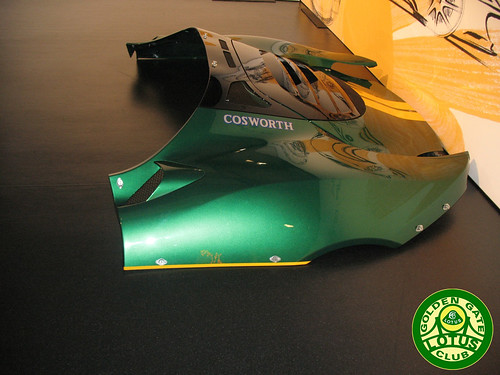
While the Evora Cup looks quite similar to the road car, there are a number exterior changes to improve downforce such as the beautifully integrated carbon fiber rear wing and diffuser package above. Other downforce enhancements include the front splitter and wheel vents on all four corners. The body panels are also easily removable for easy access to various internals.

Evora GT4 Cup rear bodywork
Photo © Jack Fried

Since the premiere event was being held a Laguna Seca, Lotus had test driver Johnny Mowlem on hand to give prospective buyers some “test rides”. The GGLC was able to speak to Johnny in this exclusive interview to hear his thoughts on the development of the Evora Cup GT4 and how it compares to the street car:

Lotus Challenge Series racer and all around Lotus fan Andy Kern was one of the lucky few that got a ride and gave us this feedback comparing it to his Lotus 211 racecar:

I first thing I noticed going down the pit-out lane was the seamlessness of the paddle-shift sequential box… and next I thought, gee… Johnny’s going to go around the pit out corner at T2 pretty quick, and he did: the car definitely has some serious grip. The next two corners, T3 & T4 are relatively flat; no camber… I usually ease into the brakes so I don’t upset the car too much, then transition into the turn. Johnny waited much later to brake and broke much harder, but it didn’t seem to faze the Evora’s chassis at all, the car just has great grip and poise during transitions. The rest of the ride was more of the same, as the tires warmed up and Johnny broke later and harder than I would have expected; but always completely smoothly. The shifts were so smooth I barely noticed them. The car has good acceleration too… better than my 2-Eleven everywhere with the possible exception of the steep rise from T6 to the corkscrew.

As I’d said, it’s always tough to compare one car from the passenger’s seat with another from the driver’s seat… but the overall impression is that the Evora Cup is very much a Lotus… fantastic braking, tenacious cornering, great chassis dynamics… and maybe somewhat of a welcome surprise… very torquey.

All in all the Evora Cup GT4 appears to be another fantastic race car from Lotus and should do well both as a track day car and as a competition GT4 racer. For more information about the car please visit www.lotusevoracup.com.

For more pictures from the premiere event please use the slideshow below or head directly to our Flickr Set. We request blogs and news outlets that use our content, photos and video to please credit Rahul Nair and the Golden Gate Lotus Club as well as link back to this post.

A huge thanks to our friends at Lotus Cars USA and Boardwalk Lotus for inviting us to the event. News

  • Share/Bookmark

Lotus Exos T125 revealed

Saturday, August 7th, 2010

Lotus Exos T125 "Laguna Seca" "Pre-Reunion"

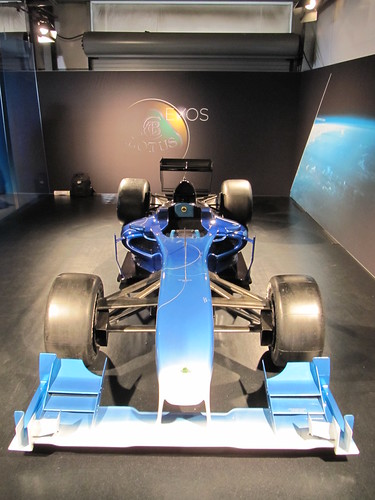
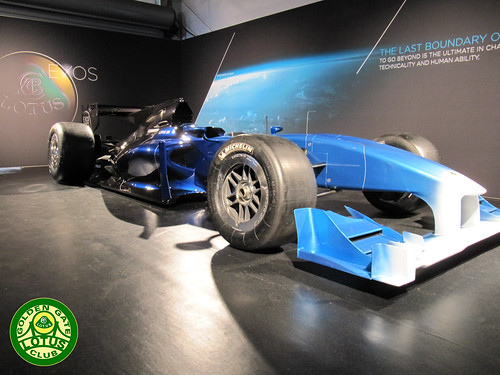
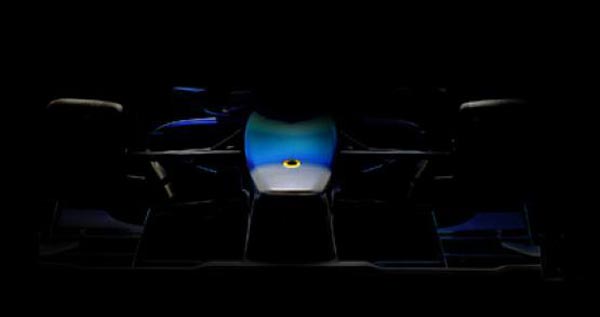
The GGLC was proud to attend the world premier of the new Lotus Exos Type 125 at the Monterey Motorsports Pre-Reunion today. The Lotus T125 is an F1 inspired track only car that uses Formula technology and a Cosworth V8 to provide stunning performance for the ultimate track day toy.

Lotus Exos T125

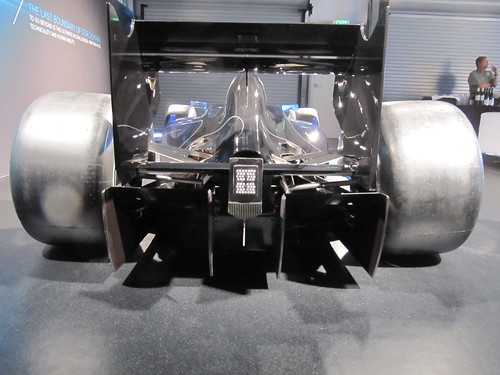
The first things that strikes you when you walk in is how much it looks like a current generation F1 car. The chassis is a carbon fiber monocoque with both the wide front wing and the narrow rear wings of the 2009-spec F1 cars. It also has the coke bottle shape, top exit exhaust and shark fin engine covers that have been in vogue. Other technical similarities include carbon ceramic brakes and a carbon fiber pushrod suspension.

Lotus Exos T125 "Laguna Seca" "Pre-Reunion"

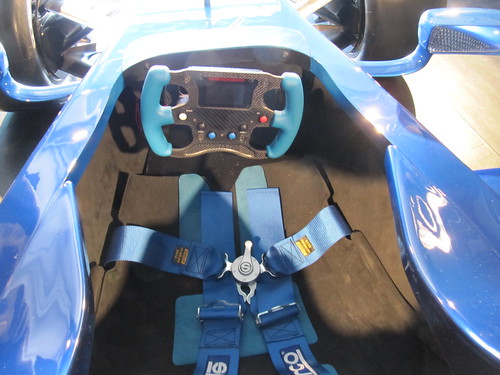
The F1 technology continues inside the cockpit there the car uses paddle shifters to control the semi automatic gearbox as well as a multi function screen on the steering wheel that allows drivers to set the various parameters on the fly.

Cosworth GPV8 Exos Lotus T125 engine

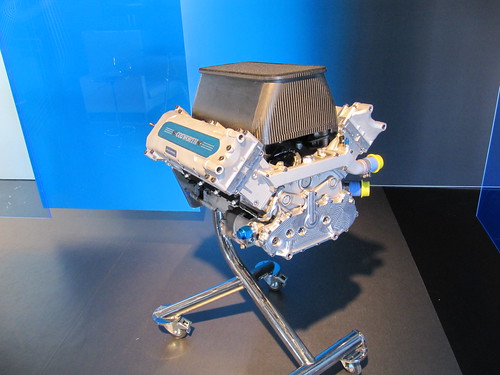
The engine is a 3.5L Cosworth GPV8 that has been detuned to produce 650 bhp with a 10,300 rpm redline (10,800 push to pass). Weighing just 650kg the car will have a power to weight ratio just shy of 1000 bhp per ton and should be faster than anything this side of a recent Formula 1 car.

Lotus Exos T125 Cosworth GPV8 engine alternator

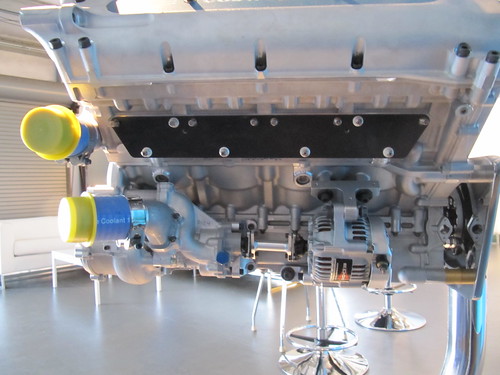
Unlike an F1 engine, the GPV8 is designed to run 4500 km between rebuilds and has a starter motor (note the alternator above) so that you don’t need a support crew to be able to run the car at the track. Notably absent chassis features include double-diffusers, exhaust blown diffusers, flexi wings, f-ducts and other F1 innovations that were created to get around the various rules. Being a track only car and not built to a particular series, Lotus has been able to use the best features of F1 without having to use the various rules workarounds. Its a clean sheet design where the designers were told to “have at it boys”.

Lotus Exos T125 Rear Wing + Diffuser

Lotus plans to make just 25 Exos next year and will be pricing then at one million dollars apiece. Apart from the car itself, the Exos program will also include 5 “driver events” at various race tracks that will allow the owners to slowly come up to speed with the performance of their new car by getting instruction and advice from a variety of current and past Lotus drivers (a little birdy tells us that Mika Häkkinen and Jarno Trulli will be involved).

For more on the Exos please watch this video of Stephen Wright from Lotus Motorsports explaining the philosphy behind the Exos.

You can also see the rest of our Exos pictures in the slideshow below or head directly on to Flickr. We request blogs and news outlets that use our content, photos and video to please credit Rahul Nair and the Golden Gate Lotus Club as well as link back to this post.

A huge thanks to our friends at Lotus Cars USA and Boardwalk Lotus for inviting us to the event.

  • Share/Bookmark

Lotus Events during Monterey week

Tuesday, August 3rd, 2010

Lotus-T125

SATURDAY, AUGUST 7:
9:00am – 5:00pm: Lotus exhibit in the four-bay garage under the presentation podium structure. North American debut of the Evora Cup GT4 race car and World Premier of the new Lotus T125 ultimate track/race car.

12:20pm – 12:35pm: Lotus Evora Cup GT4 race car on track with Johnny Mowlem providing rides to seriously interested Evora Cup GT4 prospects.

5:00pm – 7:00pm: Reception hosted within Lotus exhibit.

SUNDAY, AUGUST 8:
9:00am – 5:00pm: Lotus exhibit in the four-bay garage under the presentation podium structure. North American debut of the Evora Cup GT4 race car and World Premier of the new Lotus T125 ultimate track/race car.

12:20pm – 12:35pm: Lotus Evora Cup GT4 race car on track with Johnny Mowlem providing rides to seriously interested Evora Cup GT4 prospects.

WEDNESDAY, AUGUST 11:
5:00pm – 10:00pm: Lotus T125, Evora Cup GT4, Evora road car and IndyCar display at the McCall’s Motorworks Revival at the Monterey Jet Center.

FRIDAY, AUGUST 13:
9:00am – 6:00pm: Lotus exhibit on Peter Hay Hill near The Lodge at Pebble Beach housing the Evora Cup GT4 track/race car and full array of Lotus road-going product portfolio.

SATURDAY, AUGUST 14:
9:00am – 6:00pm: Lotus exhibit on Peter Hay Hill near The Lodge at Pebble Beach housing the Evora Cup GT4 track/race car and full array of Lotus road-going product portfolio.
12:00pm – 6:00pm: Lotus T125 track/race car displayed on the Concept Car Lawn at The Lodge at Pebble Beach.

SUNDAY, AUGUST 15:
8:00am – 4:00pm: Lotus exhibit on Peter Hay Hill near The Lodge at Pebble Beach housing the Evora Cup GT4 track/race car and full array of Lotus road-going product portfolio.
8:00am – 6:00pm: Lotus T125 track/race car displayed on the Concept Car Lawn at The Lodge at Pebble Beach.

We hope to see as many Lotus aficionados as possible throughout the week!

Best regards,

Kevin Smith

Kevin D. Smith
Marketing and PR Executive
Lotus Cars USA, Inc.

  • Share/Bookmark

Lotus Exige 360 Degree Track Video

Monday, July 19th, 2010

Fantastic 360 degree wrap around video from a Lotus Exige as it laps Infineon raceway.

If you liked this video just head over to Vision Wells who will be happy to make one for you at your next track day.

  • Share/Bookmark

Lotus at IndyCar (video)

Wednesday, March 31st, 2010

Fantastic video showing the past, present and future of Lotus in the Indy 500 and IndyCar racing

  • Share/Bookmark

New Lotus Elise Model Year 2011

Tuesday, February 16th, 2010

The new Lotus Elise probably has the lowest CO2 for its performance for any gasoline high performance sportscar in the world
elises3a

The Lotus Elise revolutionised the sportscar market 14 years ago when the small lightweight agile 2-seat mid engine sportscar was introduced. By ensuring that the Elise stuck rigidly to Lotus’ core values of performance through light weight, the Elise was able to produce supercar performance with city car economy.

Making its debut at the 80th International Geneva Motorshow, the 2011 model year Lotus Elise introduces a number of changes and improvements to maintain its class leading position.

For the 2011 model year, the Elise range will consist of the following variants:

· Lotus Elise – 136 PS, less than 155 g of CO2 /km – new 1.6 litre engine
· Lotus Elise R – 192 PS, 196 g of CO2 /km – 1.8 litre engine
· Lotus Elise SC – 220 PS, 199 g of CO2 /km – 1.8 litre supercharged engine

Key changes and improvements to the whole of the 2011 model year Elise range

· New evolution body design incorporating new front clamshell, rear bumper and engine cover
· New all in one integrated headlights including LED day light running lights and LED direction indicators
· Improved aerodynamics with a reduction in Cd by 4%, resulting in better fuel economy
· New cast and forged wheels
· Vehicle warranty increased from 2 years to 3 years and 36, 000 miles

Additional changes for the 2011 model year entry level Lotus Elise
· New high technology 1ZR-FAE 1.6 litre engine with Valvematic and Dual VVT-I technology to optimise the performance and efficiency of the engine
· Less than 155 g of CO2 per km (an improvement of over 13% compared to the 2010 Elise S)*
· Combined fuel consumption 6.14 litres / 100 km (46 mpg)*
· New 6 speed close ratio gearbox
· Cruise control available as part of the Touring pack

The body – an evolution
Lotus-Elise-front-refresh-Geneva
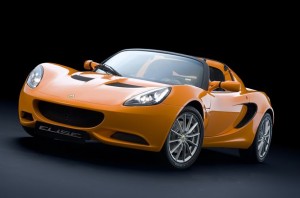
The new 2011 model year Elise range is on sale now and will be in showrooms from April 2010. The body of the new 2011 model year Elise is an evolution of the iconic Elise design, retaining the character and style, while offering a more planted, purposeful stance and a pure, contemporary look that links it to the Evora. As with all Lotus product the design is an exciting blend of dramatic style and functional efficiency
elises3g
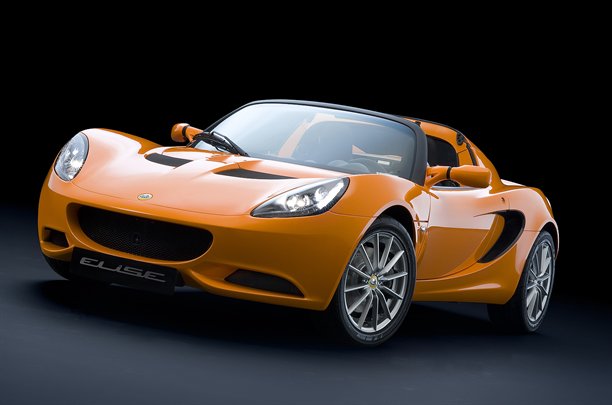
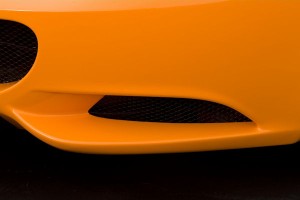
The new Elise body has a fresh sculptured front, including a new bumper, front clam and access panel that combine to give the Elise a wider look with more road presence.
Lotus-Elise-rear-refresh-Geneva
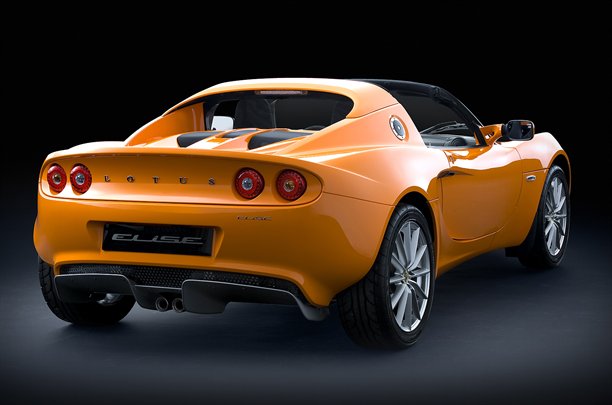
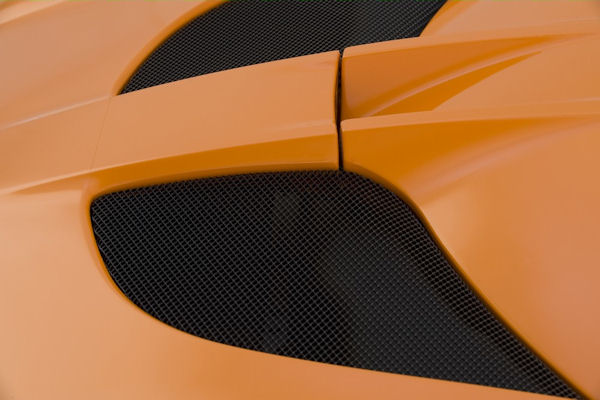
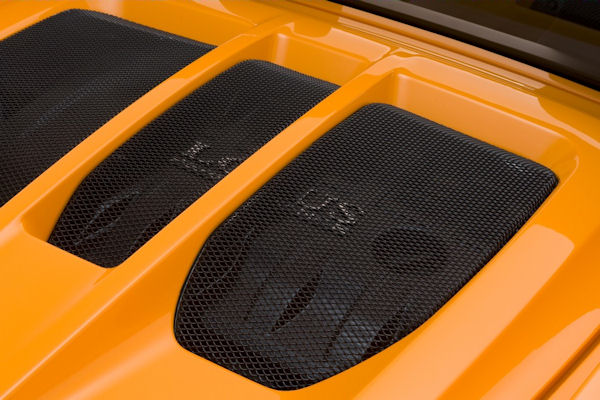
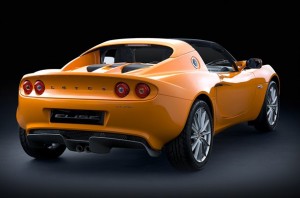
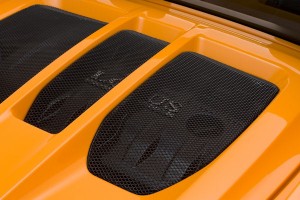
At the rear of the car the new engine has been encased by a distinctive “twin-spine” engine cover whilst lower down a more aggressive diffuser is tightly wrapped by an elegant new bumper design that now includes the rear licence plate.

elises3a
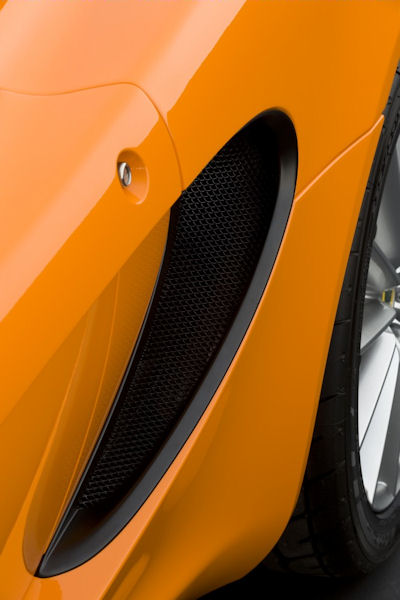
New headlamp units with distinctively sculptured LED lighting guides (incorporating daytime running lamps and direction indicators) give a contemporary twist to this classic design. Elsewhere, the signature, Lotus “mouth” and familiar sculptured forms have been sensitively refined to give a crisper, more dynamic look. The repositioning of lamp functions has enabled the creation of broad clean surface between the fenders which combines with sleek corner intakes and prominent splitter detail to give a broader more planted stance.
elises3i
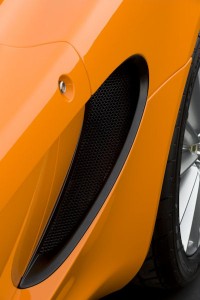
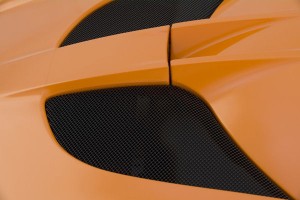
The theme of purity is carried through to the cooling apertures that are efficiently finished with a new lightweight aluminium mesh that gives the car a classically sporting character.
elises3h

The rear boot is now opened from the cockpit rather than via a separate key operation. The high quality feel of the Elise is continued throughout the car with the Elise graphic incorporated into the new side LED direction indicators, like those on the Evora.
elises3e

The driving position, from the perfectly positioned pedals and steering wheel, to the comfortable and supportive seats with ProBax** technology means that, like all Lotus cars, the driver becomes part of the car rather than being just a passenger.

With the sleek new body the aerodynamics have improved giving a reduction in the coefficient of drag of 4%.

Finally, a choice of two beautiful, light weight wheel designs are available; an incredibly light forged wheel and a new cast wheel completes the picture for this sensitive update of a Lotus Icon.

Additional changes to the 2011 model year Lotus Elise

The new 2011 model year Elise has a number of additional changes and improvements, with the installation of a new advanced 1.6 litre Valvematic engine meeting EURO 5 regulations. This new engine is 200cc smaller than the outgoing Elise S model and produces similar power (136 PS, 100 kW, 134 hp at 6800 rpm) with maximum torque of 160 Nm, 118 lbft at 4400 rpm, but offers a significant improvement to fuel economy of over 23%, to 6.14 litres / 100km (46 mpg)* and a reduction in CO2 emission by more than 13%*. This provides the new Lotus Elise with the lowest CO2 per performance for any gasoline high performance sportscar in the world. This high technology engine is mated to a new 6-speed manual gearbox, providing closer and more performance orientated ratios than the outgoing 5 speed box.

The 1.6 litre engine is controlled via the bespoke Lotus T6 engine management system. Cruise control is available on the Elise for the first time with the controls present on a stalk located to the left of the steering column.

New cast wheels have been designed specifically for the Elise and the new optional forged wheels weigh just 29.26 kg per set, 2.14 kg lighter than a set of lightweight cast versions. Both are available in silver or black colour.

Dany Bahar, Chief Executive of Group Lotus said, “The Lotus Elise revolutionised the sportscar when it was launched 14 years ago and now the Lotus Elise has become greener, giving drivers access to class leading performance with less guilt.”

Donato Coco, Director of Design said, “The Elise is an iconic sportscar and it was important that we did not complicate its design, so we made the car more pure in its look, improved the aerodynamics, and gave it a more contemporary look with high quality detailing.”

Paul Newsome, Director of Lotus Product Engineering said, “We are always looking at ways of keeping the Elise ahead of its peers and for the 2011 model year we have improved efficiency without losing the innate fun that has made the Elise legendary.”

Andreas Prillmann, Chief Commercial Officer for Lotus Cars said, “In its 14 years of production the Elise has accounted for 32% of all the 61 years of Lotus production, illustrating how significant to the brand and well loved it is. The 2011 model year Elise is greener, purer and more desirable, making it even more relevant to today’s marketplace. The new Elise underlines Lotus’ reputation as one of the most innovative sports car manufacturers in the world.”

Performance

Lotus Elise

0 – 60 mph 6.0 seconds*
0 – 100 km/h 6.7 seconds*
Maximum speed 200 km/h (124 mph)*

Lotus Elise R
0 – 60 mph 5.1 seconds
0 – 100 km/h 5.4 seconds
Maximum speed 222 km/h (138 mph)


Lotus Elise SC

0 – 60 mph 4.3 seconds
0 – 100 km/h 4.6 seconds
Maximum speed 233 km/h (145 mph)

The 2011 model year Elise in more detail.

The Elise – the entry model

Engine

The Lotus Elise introduces the new 1598 cm3, 1ZR-FAE engine, provided by Toyota. The key to this engine’s performance and efficiency is the Valvematic system (a variable valve lift mechanism), which is combined with the dual VVT-i (Variable Valve Timing-intelligent). The engine continuously controls intake valve opening/closing timing and the intake valve lift to vary the volume of the intake airflow, giving significant improvements in efficiency and fuel economy. This ensures optimal performance based on the engines operational condition, thus helping the Elise achieve both high fuel efficiency and high performance.

First of all, the maximum power output is achieved at near maximum revs (engine speed) of 6800 rpm and maximum torque (a respectable 160 Nm, 118 lb.ft) is reached at 4400 rpm. This gives a good combination of mid range pull but also encourages the driver to rev the engine to the maximum permitted engine speed of 7000 rpm (transient rev limit). Like all Elise sportscars, there are three shift up lights, on the binnacle cumulatively lighting when the driver is getting closer to the rev limiter and when all three are illuminated, they flash to indicate that the driver is almost on the rev limiter so time to change up a gear!

The height of the engine cover has been raised by 34mm to accommodate the taller 1ZR engine compared to the previous 1ZZ engine from the outgoing model due, in part, to the additional Valvematic technology included on the new engine. This has given Lotus engineers an opportunity to subtly redesign the rear engine cover to match the design theme from the front and rear of the car.

Chassis
The Lotus Elise is built around the revolutionary and award winning extruded and bonded aluminium chassis, with a lightweight steel rear subframe. The chassis weighs 68 kg (150 lbs) and has a stiffness of 9,800 Nm per degree, giving a high level of control of the suspension. At the rear, and also acting as a rear energy absorbing crash structure, a lightweight steel subframe carries the engine and gearbox. At the front, the radiator and key ancillaries are mounted into a high tech composite energy absorbing crash structure that is both lightweight, compact and over three times more energy absorbing than the equivalent steel structure.

Ride and handling
The legendary Lotus ride and handling gives a superb high performance, sporty drive, combined with a compliant ride and progressive on limit handling, it makes the Elise a car that demands to be driven.

The entry level Lotus Elise weighs 876 kg, making it one of the lightest fully homologated sportscars in the world. This low weight translates into efficient performance with minimal environmental impact in terms of emissions and fuel consumption. The efficiency of the Elise structure means that the 136 PS (100 kW, 134 hp) delivers phenomenal performance.

Few cars can match the delicacy and accuracy of the steering, throttle and brakes of the Elise and all of these factors contribute to the excellent driving experience of the Elise.

Safety
The Elise has high performance AP Racing callipers at the front and Brembo callipers at the rear linked to 282 mm vented and cross-drilled cast iron discs to give excellent stopping power.

The Elise comes as standard with a track tuned ABS system that is designed to be unobtrusive under normal driving conditions. This system is designed to be used on track and has a high threshold, only intervening in emergencies.

The ABS system is linked to a lightweight pedal box with steel pedal arms and extruded aluminium pads. This unit also has an electronic (drive-by-wire) throttle for quick, smooth and more linear engine response.

The impressive braking coupled with excellent handling gives good primary safety and the composite front crash structure and rear crash protection offers efficient secondary safety. Driver and passenger airbags and pre-tensioning seatbelt are standard on all Elise models.

Prices will be announced in March 2010
  • Share/Bookmark

All-Lotus Historics Race

Monday, December 21st, 2009

ZIONSVILLE, IN (December 21, 2009) — Legends of Motorsports, has announced an additional event to its premium historic automobile race weekend at Barber Motorsports Park on May 20-23, 2010. The special race will solely include Lotus racing cars, featuring a variety of the marque’s most popular models.

“Few brands of race cars have more racing mystique than Lotus,” observed Legends of Motorsports co-founder and partner Bobby Rahal. “For anyone who loves these great cars, and there are many, it will be very exciting to see a sea of Lotus racers battling it out on the beautiful Barber Motorsports Park circuit.”

The Barber Vintage Motorsports Museum at the Barber Motorsports Park includes more than 1000 vintage and modern motorcycles and a substantial collection of 43 vintage Lotus cars, the largest collection in North America.

Consequently, the Lotus-exclusive race will be open to a raft of years and models of the famed British sports cars including Lotus 7, Lotus Super 7, Lotus 9, Louts 11, Lotus 15, Lotus 17, Lotus 19, Lotus 23, Lotus 26, Lotus 47 and Lotus 62.

Rahal, a revered international racing champion and 1986 Indianapolis 500 winner, is one of three Legends of Motorsports primary partners through the brand’s Historic Motorsports Productions (HMP) parent company. He is joined in the venture by Just Marketing International (JMI) founder and CEO, Zak Brown and noted business
executive Peter Stoneberg, who serves as CEO for HMP. All three men are active participants in historic racing in their own right.

Legends of Motorsports events typically include a variety of the most popular historic racing classes and cars. These include GTP/Group C; 3.0 Liter era Formula One; F.I.A. Championship of Makes; 2.0 Liter Sports Racers; Trans-Am; Can-Am; IMSA GT/Production Cars; and Formula Libre. In addition, at certain events individual automobile manufacturers and classes will be celebrated through special programming. Beyond vintage racing, HMP event weekends feature a variety of entertainment diversions such as fashion shows, race car parades, car shows and rallies.

“The owners of the Barber Vintage Motorsports Museum, founder George Barber and the museum staff are truly great stewards of racing history,” said Rahal. “They appreciate the legacy of legendary racing marques and certainly Lotus is high on that list. Their stellar facility will be a perfect venue for guests to appreciate the best of this historic racing brand.”

Tickets for the Legends of Motorsports at Barber Motorsports Park are on sale to the public beginning January 15, 2010.

About Historic Motorsports Productions
Historic Motorsports Productions LLC (HMP) is a business partnership dedicated to staging the Legends of Motorsports, a Bobby Rahal Signature Event, which is an annual series of premium vintage racing events and related lifestyle experiences at historic North American venues. Based in Zionsville, Indiana, HMP’s principal owners are racers and businessmen Bobby Rahal, Peter Stoneberg and Zak Brown. Additional equity investors in HMP include Spire Capital Partners and Just Marketing International, which provides comprehensive strategy, marketing, public relations and event logistics services to the venture. For more information, please visit HMP on the worldwide web at www.hmpseries.com or by calling (317) 344-1998. 


About Barber Motorsports Park and Zoom Motorsports:

Barber Motorsports Park opened in the spring of 2003. Since its inception, Zoom Motorsports, LLC has been the exclusive event promoter for the events at the Park. The 2.38 mile racing circuit is 45 feet wide, with 17 turns and elevation changes of more than 80 feet. The Barber Motorsports Park has been considered one of North America’s finest road courses for car and motorcycle racing, and has served as the venue for several international product launches. The Barber Motorsports Park also features the Barber Vintage Motorsports Museum. This 144,000 square-foot facility houses more than 1,000 vintage and modern motorcycles from 17 different nations and more than 125 manufacturers. For more information, please visit www.barbermotorsports.com.

  • Share/Bookmark

Martin Brundle visits Lotus to drive the award-winning Lotus Evora

Tuesday, December 15th, 2009

Martin Brundle with the Lotus Evora

Martin Brundle, one of the most talked about legends in British motorsport recently spent a day at the world-renowned Group Lotus UK headquarters, sampling a piece of Lotus heritage and driving the firm’s latest offering, the all new Lotus Evora.

Brundle called on Classic Team Lotus where Clive Chapman (son of Lotus’ founder Colin Chapman) showcased some of his Father’s much loved Formula 1 projects. Brundle also toured the state of the art manufacturing facilities and sampled the Lotus Evora for the first time around the famous Lotus test track.

It was fantastic for the Lotus workforce to see Brundle passing through; regularly holding court with the eager employees, happy to sign autographs and answer any questions posed. Dany Bahar, CEO of Group Lotus said: “It is an honour for Lotus to host Martin Brundle, one of the most respected and popular names in motor sport. It was an incredible opportunity to demonstrate our exciting array of vehicles and the work of our talented employees to one of the most esteemed analysts in the automotive arena and I am delighted with his positive responses.”

Brundle was joined by his son Alex, one of the rising stars of the Formula Two Championship, proudly following in his fathers motor sport footsteps and dreaming of a future in Formula 1. Martin Brundle thoroughly enjoyed his visit to one of the world’s most iconic automotive marques, commenting: “I remember first visiting Hethel in the 1960s, when my Father drove a Lotus Cortina. I am equally impressed now as I was then and as a Norfolk man, I am delighted Lotus is performing so well. I was pleased to see my old friend Gino Rosato and after hearing more about the future plans from Dany Bahar and his team, I am looking forward to the forthcoming products to come out of Hethel.”

Brundle was further impressed with the new Lotus Evora: “I was especially keen to drive the Evora after reading so many positive magazine reports. On a wet track, the cornering grip and particularly the braking performance deeply impressed me. It’s a quality sports car.”

  • Share/Bookmark

Lotus Omnivore Engine – 10% Better Fuel Economy than Current Leading Gasoline Engines

Thursday, December 10th, 2009

Press release from Lotus

Initial phase of Omnivore development achieves 10% improvement in fuel consumption compared to stratified direct injection engines, also with ultra low emissions. The research signals a potential paradigm shift with engine ‘upsizing’ for increased fuel economy.

Lotus Omnivore Comparison Graph
The first testing phase of Lotus Engineering’s Omnivore variable compression ratio, flex-fuel direct injection two-stroke engine has been successfully completed on gasoline. In addition to exceptional fuel consumption results, the engine has successfully demonstrated homogenous charge compression ignition (HCCI) – where the engine operates without the need for the spark plug to ignite the fuel and air mixture in the cylinder – down to extremely light loads. Traditionally, this has been challenging but this combustion process results in ultra low emissions and has been achieved over a wide range of engine operating conditions, even from cold start.

The detailed research has so far focused on lower speed and load conditions that represent a major proportion of an engine’s operation in a real world environment. At 2000rpm and up to approximately 2.7 bar IMEP (Indicated Mean Effective Pressure), the ISFC (Indicated Specific Fuel Consumption) achieved is approximately 10% better than current spray-guided direct injection, spark ignition engines. Emissions results are an impressive 20 ppm NOx at less than 2.3 bar load and has four-stroke-equivalent hydrocarbons and carbon monoxide emissions.

Simon Wood, Technical Director of Lotus Engineering said: “These impressive results represent an important step-forward in Lotus Engineering’s strategy of developing an array of more efficient multi-fuel combustion systems. Omnivore lays the foundations for a novel and pragmatic vision of a variable compression ratio engine concept suitable for production. A multi-cylinder version is practical for a wide variety of vehicles and offers greatest benefit to C and D class passenger cars which can take advantage of the low cost architecture and significantly improved fuel economy and emissions. We are continuing our discussions with other manufacturers and eagerly anticipate the development of multi-cylinder demonstrations of this revolutionary engine configuration.”

The Omnivore engine concept achieves wide-range HCCI combustion and low CO2 emissions through the application of a simple wide-range variable compression ratio mechanism, itself facilitated by the adoption of the two-stroke operating cycle. Technologies combined in this package are all synergistic and provide a route to the efficient use of alternative fuels, accelerating the displacement of fossil fuels.

Jamie Turner, Chief Engineer of Powertrain Research at Lotus Engineering said: “The automotive industry, including Lotus Engineering, has quite rightly advocated engine downsizing for four-stroke engines. This is as a result of the dominance of the four-stroke cycle in the automotive world and its generation of throttling losses at part-load, where vehicles run most of the time. The two-stroke cycle, conversely, does not suffer from significant throttling losses and in many ways is a more natural fit for automotive use. With the thermodynamic disadvantages of throttling losses removed, the two-stroke engine is free to be sized according to its improved part-load fuel consumption. Downsizing therefore isn’t vital and, due to the improved light-load efficiency and emissions performance we see with Omnivore, this technology approach and ‘upsizing’ could permit a more efficient engine.”

The initial Omnivore programme has been in collaboration with Queen’s University Belfast and Orbital Corporation Limited Australia, with sponsorship from DEFRA/DECC and DOE NI through the Renewables Materials LINK programme. Future work by Lotus Engineering will concentrate on further investigating the operation on gasoline and alternative renewable fuels such as ethanol and methanol, with more in-depth analysis of specific test points.

Technical Detail
Lotus Omnivore Engine
Omnivore Summary
The Omnivore engine concept features an innovative variable compression ratio system and uses a two-stroke operating cycle with direct fuel injection. It is ideally suited to flex-fuel operation with a higher degree of optimisation than is possible with existing four-stroke engines.

The engine concept features a monoblock construction that blends the cylinder head and block together eliminating the need for a cylinder head gasket, improving durability and reducing weight. In this case, the application of a monoblock is facilitated by the absence of the requirement for poppet valves. A novel charge trapping valve in the exhaust port allows asymmetric timing of exhaust flow and continuous variation of the exhaust opening timing.

The Omnivore engine uses the Orbital FlexDI fuel injection system which produces fine in-cylinder fuel preparation irrespective of fuel type and, together with air pre-mixing, allows efficient two-stroke combustion and low-temperature starting, whilst offering singular opportunity for advanced HCCI control.

The variable compression ratio is achieved by the use of a puck at the top of the combustion chamber. This simple, yet effective system moves up and down effecting the change in geometric compression depending on the load demands on the engine.

Engine Concept Features

Monoblock
The monoblock incorporates the cylinder head, the cylinder barrel and the inlet ports, together with mounts for the variable compression ratio system and the charge trapping valve housing. It also contains the non-moving location of one of the two possible injector mounting positions provided for research purposes. The other injector position is in the variable compression ratio puck. The monoblock is mounted on the upper crankcase, which is a common component with all of Lotus’ single-cylinder research engines. The engine carries a full primary and secondary balancer system. The monoblock is water-cooled by an electric water pump.

Computational fluid dynamics is used extensively to ensure effective cooling of the monoblock, a feature assisted by the removal of the cylinder head gasket, inherent in such architecture. The chief advantage of a monoblock construction in any engine, aside from the bill of materials and assembly benefits, is the reduction of bore distortion afforded by the removal of cylinder head bolts. This is especially important in piston-ported 2-stroke engines.

Variable Compression Ratio Mechanism
The primary component of the variable compression ratio mechanism is what is termed the ‘puck’, or a moveable junk piston in the cylinder head. In the case of the research engine, this puck is driven in and out by a double-eccentric mechanism itself comprising proprietary parts. The puck itself does not move at engine speed. In addition to the spark plug, the puck carries one of two possible injector positions. It is water-cooled and carries simple piston (or ‘junk’) rings for primary sealing, and an ‘O’-ring towards the top for final sealing.

The variable compression ratio system is controlled by an electric motor and worm drive arrangement at the front of the engine. Because there are no poppet valves in the engine, it is clear that the puck could be of a large diameter and since there is no need for valve cut-outs in the piston crown, the minimum volume of the combustion chamber can be much smaller than has been the case in variable compression ratio engines shown to date. When the puck is in its innermost position, its surface is essentially coincident with that of the combustion chamber squish band and this yields the highest compression ratio of 40:1.

The combustion chamber geometry necessarily alters as the puck is moved to vary the compression ratio. The chamber geometry in Omnivore was therefore chosen on the basis of 2-stroke experience in spark ignition operation. Consequently, the puck is positioned in the cylinder head in such a way that the non-moving squish band directs cooling flow towards the spark plug. The puck is water-cooled from the main engine cooling circuit.

Charge Trapping Valve
The charge trapping valve is caused to oscillate by a short articulated connecting link from an engine-speed eccentric shaft itself rotated by a belt drive from the crankshaft. A simple charge trapping valve mechanism provides for asymmetric exhaust timing and hence a modification of the original piston-ported two-stroke operating cycle. Fitting an articulated link between the eccentric shaft and the trapping valve actuating arm affords the opportunity independently to vary the opening and/or closing point. In this ‘variable’ form, at light load, the charge trapping valve can be made to control exhaust port opening, to maximize expansion in the cylinder, and the blowdown period can be optimised. The position of the control arm is controlled by the engine management system. All charge trapping valve components and their configuration have been analysed kinematically, and since they operate with modified simple harmonic motion, they do not suffer from jerk stresses.

Other Components
The cranktrain of the engine comprises an 86 mm stroke crankshaft, a trunk piston of 86 mm bore and a connecting rod with 195.5 mm between centres. The piston carries four piston rings: two pegged half-keystone compression rings which traverse the ports in the upper section, and a Napier scraper ring and U-Flex oil control ring in separate grooves in the lower portion. These are not pegged since they do not have to traverse the ports. In this manner, the working chamber is completely sealed from the crankcase and hence wet-sump lubrication can be employed.

Since this is a research engine, it is cooled by an electric water pump with a separate electrically-driven oil pump used for lubrication. Scavenge air is provided externally. For convenience, air for the Orbital air-assist DI system is provided from the factory air supply regulated to 6.5 bar maximum air delivery pressure. Note that in any multi-cylinder application it is envisaged that all these subsystems would be incorporated into the engine in the normal manner.

  • Share/Bookmark

Lotus Evora Pricing and Dealer Tour

Wednesday, November 18th, 2009

The Evora pricing has been announced at $73,500 (full details in press release below) and you can check it out in person during the Bay Area dealer tour at:

Lotus of San Francisco
Date: December 7, 2009
Time: 5:00 PM – 8:00 PM
To RSVP please call Laura Schaub at 415.351.5147

Boardwalk Lotus
Dec 9-10
Redwood City
SPECIAL RECEPTION on Dec 9th, drives on the 10th. GGLC members are invited – email to RSVP

Lotus of Los Gatos
Dec 11-12

Press release from Lotus:

In preparation for the arrival of the all-new 2010 Evora into the US market during the first quarter of 2010, two Evoras are set to begin a 44 dealer Open House Tour. Following are the Evora’s US market product content, option packages, pricing details and the full Open House Tour schedule.

All-New 2010 Lotus Evora Prepares for Launch
While Evora production for the UK and European markets has been ramping up for months to begin fulfilling their orders, production for the US and Canadian markets has yet to begin. Though the Evora has only been shown on a few occasions thus far in the US and Canada, approximately the first two months of production are already pre-sold. To enable more sports car aficionados an opportunity to see the Evora in person, starting Friday, November 13 two Evoras will embark on a 44 dealer Open House Tour of the US.

The Lotus Evora in Summary
The Lotus Evora will enter the sports car market as the only mid-engine 2+2 in production. Evora is designed for people who desire the exotic sports car characteristics of stunning design, exclusivity, dramatic proportions and performance. However, it offers real-world usability, surprising efficiency and a unique sense of occasion as well.

Powered by a 3.5-liter V-6 producing 276 hp at 6,400 rpm and 258 lb./ft. of torque at 4,700 rpm, the Evora employs innovative lightweight chassis technology to ensure all-around exceptional dynamic performance, in keeping with the great Lotus tradition. From its beginning over 60 years ago, Lotus’ consistent guiding principle has been to achieve ‘performance through lightweight’ and that’s always meant all facets of performance including efficiency. The Evora provides unassailable proof of this ethos as the only regular production car in the world capable of accelerating from 0 – 60 mph in under 5 seconds (4.9), on up to a top speed over 160 mph (162) while also delivering 30+ miles per gallon on the highway.

Inside the Evora simplicity meets sophistication in an exquisite combination of detailing and hand-built craftsmanship. By using only the finest leather from renowned experts Muirhead, the interior is hand-trimmed and twin-stitched to create a beautifully tactile and visually striking environment. Genuine aluminum instrument and center console surfaces contain ergonomically positioned controls providing a purposeful drivers’ cockpit. The leather wrapped steering wheel is tilt and telescopically adjustable, flat-bottomed to ease entry and exit and made from ultra-lightweight magnesium to provide super-precise feel through the wheel. The adjustable Recaro seats cradle the occupants and, along with the perfectly placed aluminum pedals, complete the optimum connection between driver – Evora – and the road. The rear seat area is cleverly hidden within the exotic, mid-engine profile of the Evora. An Alpine audio system with available touch-screen navigation, iPod™ (and other MP3 player) connectivity, Bluetooth and other amenities make the journey all the more pleasant. The Evora is a pure sports car that you can happily, comfortably enjoy every day.

For peace of mind, the 2010 Lotus Evora has a 3-year/36,000-mile limited vehicle warranty with an 8-year chassis perforation warranty.

Lotus Evora Pricing + Options MSRP
2010 Lotus Evora 2+2 $73,500
Premium Package $1,990
Sport Package $1,275
Technology Package $2,995
Sports Ratio 6-Speed Gearbox $1,500
Premium (IMPRINT) Audio $695
Reversing Camera $495
Power Folding Mirrors $450
Stealth Grey Cast Alloy Wheels $475
Silver Forged Alloy Wheels $1,750
Anthracite Forged Alloy Wheels $2,125
Metallic Paint $590
Lifestyle Paint $1,200
Limited Paint $3,300
StarShield $995
Destination $1,175

  • Share/Bookmark